
How to Dry Clothes Faster at Home: Practical Laundry Tips
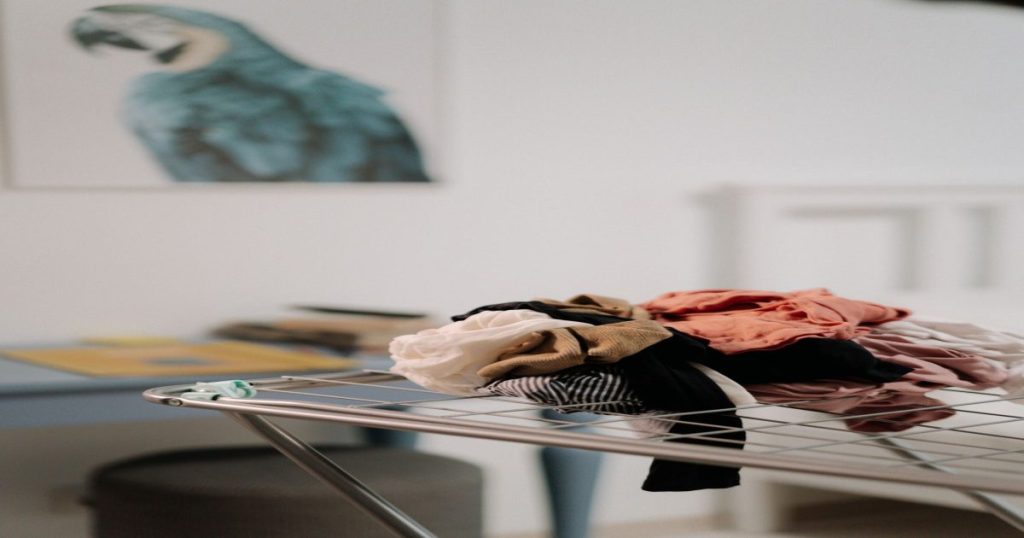
When rain, humidity or limited outdoor space makes laundry difficult, clothes can stay damp for hours. The fastest way to dry clothes is not simply to add heat. First remove as much water as the fabric allows, then hang garments with space between them and improve airflow while managing moisture in the room. This guide explains how to dry clothes faster at home while protecting fabric.
Quick answer
Use a suitable spin cycle, shake each item out, hang clothes separately so air reaches both sides, and choose a well-ventilated drying area. Turn thick items partway through and avoid stacking damp garments. Always follow the garment care label and equipment instructions.
1. Remove more water before hanging
The less water left in fabric after washing, the less needs to evaporate. If the care label and washer allow it, use a suitable higher spin speed or an additional spin cycle. Delicate garments may need a lower spin, so do not use the maximum setting automatically. For hand-washed clothes, gently press water out or roll the garment in a clean dry towel if the fabric permits; avoid twisting items that can stretch.
2. Shake out each garment
When taking laundry from the washer, shake each item open and smooth out folds. Shirts and trousers bunched into a damp ball expose less surface to the air. Reshape knits and delicate pieces according to their care instructions.
3. Leave space between clothes
Hang garments so they do not overlap or press against one another. Air needs to move around the fabric to carry away moisture. Put thick items such as jeans, hoodies and towels where they have the most airflow, and spread them out rather than folding them over several layers. If your rack is crowded, dry a smaller batch rather than packing every rail tightly.
4. Improve airflow safely
A fan moving air across the drying area can help carry moisture away from fabric. Position it securely and keep it away from splashes, wet floors and dripping clothes. Follow the equipment instructions and keep electrical devices away from water.
5. Manage humidity in the room
As clothes dry, water enters the room air. In a humid or poorly ventilated room, evaporation slows and condensation may appear on windows or walls. Where weather and security permit, ventilation can help remove moist air. A dehumidifier can also remove moisture from the room; use it according to its manual. The best arrangement depends on outdoor humidity, room temperature and the equipment available.
6. Choose the right drying location
Pick a place with good airflow and enough room to spread garments. In Bangladesh’s rainy or humid weather, a sheltered, ventilated area may be more practical than leaving laundry outside where it can get wet again. If you dry clothes indoors often, watch for condensation and allow moisture to escape safely.
7. Turn thick garments and check hidden areas
Waistbands, pockets, cuffs, collars and the seams of jeans often stay damp after the rest of the garment feels dry. Turn heavy items partway through and reposition them so the slower-drying areas are exposed to air. Check that clothes are completely dry before folding or storing them.
8. Use a tumble dryer only when the label allows it
A tumble dryer can be convenient, but not every garment is suitable for machine drying. Check the care label and use the recommended setting. Avoid excessive heat for delicate fabrics, stretch garments and printed T-shirts. Clean the lint filter as instructed by the dryer manufacturer.
What not to do
- Do not place clothes directly on a heater or cover a heater’s vents.
- Do not put wet laundry over electrical appliances or near sockets.
- Do not use high heat on garments whose labels prohibit it.
- Do not pile wet clothes together or leave them damp in a closed basket.
- Do not store clothes while seams, waistbands or pockets are still wet.
Why do clothes smell musty after drying?
Musty smells can develop when clothes stay damp too long or are stored before they are fully dry. Detergent residue and a washer that needs maintenance can also contribute. Remove laundry promptly, spread garments out and make sure thicker sections are dry before putting them away. Read our guides on how to use a washing machine and how to clean a washing machine.
How to dry different clothes faster
T-shirts and shirts
Shake them out, hang them on a suitable hanger or rack, smooth the fabric and leave space around each item. Keep printed T-shirts away from direct high heat unless their care label allows it.
Jeans and trousers
Empty the pockets, open the waistband and hang jeans so air reaches both sides. Turn them partway through and pay attention to pockets, thick seams and hems.
Towels
Shake towels open and spread them over the rack rather than folding them into several layers. Leave enough room for air to reach both sides.
Delicate clothes
Follow the care label, reshape the garment and dry flat if instructed. Avoid wringing, strong spin cycles or direct heat when these can stretch or damage the fabric.
Frequently asked questions
What is the fastest way to dry clothes without a dryer?
Remove as much water as the fabric allows, shake garments open, space them apart and improve airflow. Ventilation or a dehumidifier may help manage moisture in the room.
Does a fan help clothes dry faster?
A fan can move moisture-laden air away from fabric, which may improve drying. Keep it safely positioned away from water and follow its instructions.
Can I dry clothes indoors during the rainy season?
Yes, but choose a ventilated area, leave gaps between garments and monitor condensation. A fan or dehumidifier may help when indoor air is humid.
Can I iron clothes to make them dry faster?
Do not use an iron as a substitute for proper drying, especially when fabric is very wet. Heat can damage some garments and may set certain stains. Dry according to the care label before ironing.
How can I tell if clothes are completely dry?
Check thick seams, pockets, cuffs, waistbands and folded areas. If any section feels cool or damp, continue drying before storage.
Final checklist
- Use a fabric-safe spin setting.
- Shake clothes open before hanging.
- Space garments out and turn thick items.
- Improve airflow and manage room humidity.
- Keep electrical equipment safely clear of wet laundry.
- Check thick areas before storing clothes.
Drying clothes faster is mostly about removing water early, exposing more fabric to moving air and preventing the room from becoming too humid. Use methods that suit the garment, and choose safety over speed when heat or electrical equipment is involved.
Further reading: BBC Science Focus: How to dry clothes indoors and The Guardian: Drying clothes indoors and saving money.